

Gauging Interest vs Gaging Interest: Which Is Correct?

When you want to know whether someone is interested in an idea, product, event, or opportunity, you might say you’re gauging interest. But because gauge has an unusual spelling, many people wonder whether gaging interest is also correct. So, in the…

In Progress or In Process: Which Is Correct?
A tiny change in wording can make a sentence sound completely natural—or slightly off. One common example is in progress or in process, two phrases that look similar but aren’t always interchangeable. If you’re wondering in process or in…
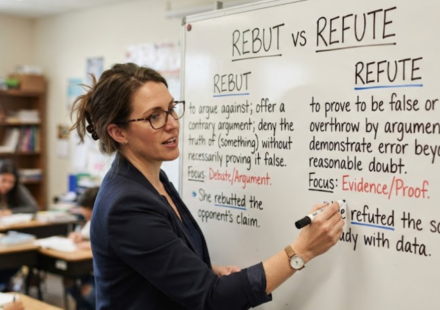
Rebut vs Refute: What’s the Difference and When to Use Each?
Have you ever heard someone say they “refuted” an argument when they actually just disagreed with it? Or wondered whether rebut and refute mean the same thing? It’s a common source of confusion, even among experienced writers and…

Fair vs Fare: What’s the Difference and When to Use Each?
Have you ever paused while writing because you couldn’t decide whether to use fair or fare? You’re not alone. These two words sound exactly alike, making them one of the most commonly confused pairs in English. Yet despite their identical…

Bail vs Bale: What’s the Difference and When to Use Each?
English is full of words that sound alike but mean completely different things, and bail vs bale is a perfect example. These two words are pronounced the same in most English dialects, yet they belong to entirely different contexts. Using the wrong one…

Canvas vs Canvass: What’s the Difference and When to Use Each?
Have you ever stopped while writing because you couldn’t remember whether it should be canvas or canvass? You’re not alone. These two words look almost identical, sound nearly the same, and are among the most commonly confused words in…

Council vs Counsel: Meaning, Differences, and Correct Usage
Have you ever stopped while writing and wondered whether to use council vs counsel? You’re not alone. These two words sound exactly alike, but they have completely different meanings and are used in different situations. Understanding the…

Grisly vs Grizzly: Meaning, Spelling, and Correct Usage
Have you ever read a news headline describing a grisly crime and wondered whether it should have been spelled grizzly instead? Since these words sound almost identical, they’re easy to mix up. Yet they have completely different meanings.…

Eminent vs Imminent: Meaning, Differences, and Correct Usage
Have you ever read the words eminent vs imminent and wondered why they look so similar but mean completely different things? You’re not alone. These two words are among the most commonly confused in English because they differ by just one letter,…

Worse Case or Worst Case: Which One Is Correct?
Have you ever paused while writing “worse case or worst case” because both sounded right? You’re not alone. This is one of the most common English grammar mistakes, especially since the words worse and worst are closely related. The…