
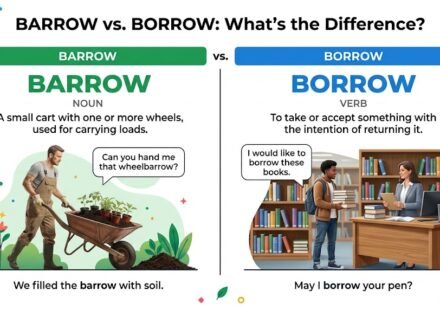
Barrow vs Borrow: What’s the Difference?

Have you ever written a sentence and suddenly wondered whether you need barrow or borrow? You are not alone. These two words look and sound similar, but they have completely different meanings and uses. The easiest way to remember the difference is this:…
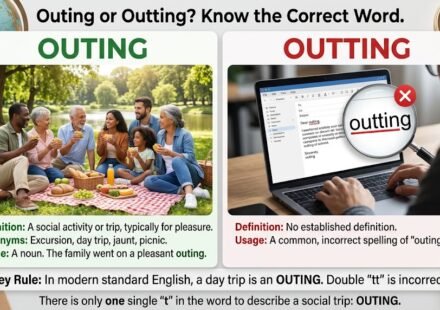
Outting or Outing: Meaning, Spelling, Ideas and Tips
Have you ever typed “outting or outing” and stopped because you were not sure which spelling was correct? It is an easy mistake to make, especially because the word outing comes from the verb go out. You might naturally expect the spelling to double the…
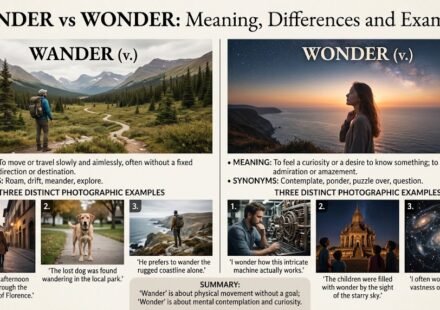
Wander vs Wonder: Meaning, Differences and Examples
Have you ever written a sentence and suddenly stopped because you could not decide between wander vs wonder? You are not alone. These two words look almost identical, sound similar in everyday speech, and are easy to mix up when writing. The good news is…
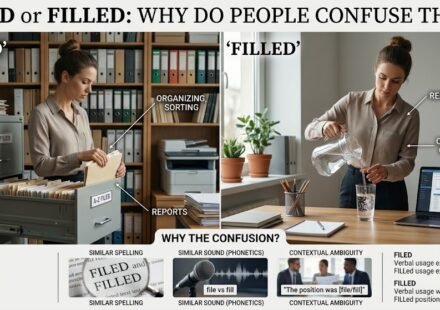
Filed or Filled: Why Do People Confuse Them?
A single letter can completely change the meaning of a sentence. Filed or filled is a good example. These two words sound similar, especially when spoken quickly, but they have very different meanings. “Filed” usually relates to putting something in an…

Farce or Farse: Which Spelling Is Correct?

Sometimes English spelling is almost designed to trip you up. Farce or farse is a good example because the two spellings can sound similar when spoken, but only one is the standard English word. The correct spelling is farce. Farse is generally a…

Posed vs Poised: What’s the Difference?
A single letter can completely change the meaning of an English word. That is exactly what happens with posed vs poised. The two words look and sound similar, but they are used in very different situations. Posed is usually the past tense of pose,…

Girth vs Width: What’s the Difference?
When you’re measuring an object, two words can cause surprising confusion: girth vs width. They both describe size, but they measure different dimensions. Width usually tells you how far something extends from one side to the other. Girth, by…

Cognitive vs Cognizant: What’s the Difference?
Some English words look and sound similar enough to cause confusion, even when their meanings are quite different. Cognitive vs cognizant is a good example. Both words relate to the mind and awareness, but they don’t work the same way in a…

Assassination vs Execution: What’s the Difference?
Two people can die at the hands of another person, yet the circumstances can make the words used to describe their deaths completely different. That is where assassination vs execution becomes important. An assassination is generally a deliberate killing…

Annotate vs Notate: What’s the Difference?
Sometimes two words look so similar that it’s tempting to treat them as interchangeable. Annotate vs notate is a good example. Both words involve writing something down, but they describe different purposes and are used in different contexts. The…