
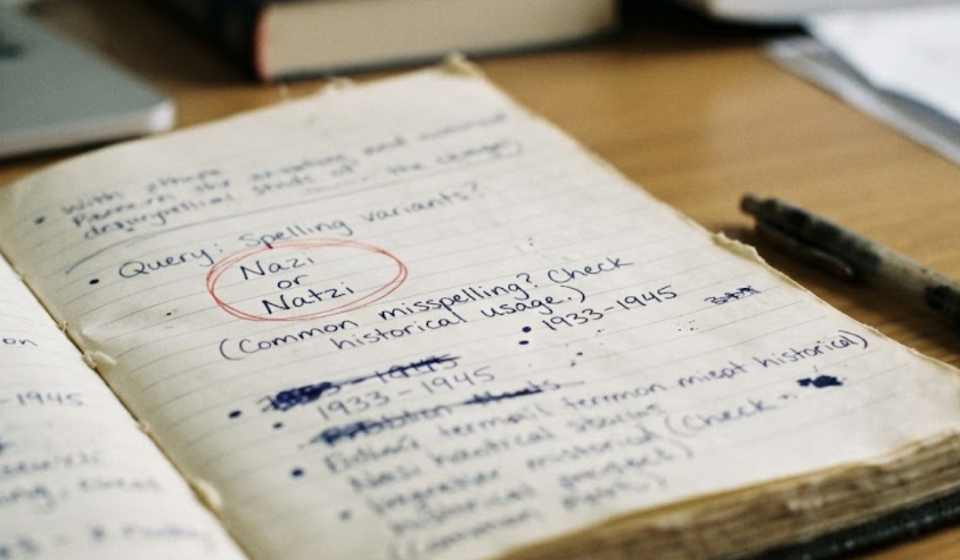

It’s easy to mistype certain words, especially when their pronunciation doesn’t clearly match their spelling. One common example is natzi or nazi. If you’ve searched for this phrase, you’re likely wondering which spelling is correct and whether both words have the same meaning.
The answer is straightforward: Nazi is the correct spelling. Natzi is a misspelling and is not recognized as a standard English word. Although the two may sound similar to some people, only Nazi is accepted in dictionaries and historical writing.
In this guide, we’ll explain the difference between natzi or nazi, discuss the word’s origin and historical significance, explain why the spelling mistake happens, and provide examples of correct usage.
Note: Because this term refers to a historical political movement responsible for widespread atrocities, it’s important to use it accurately and respectfully in historical discussions.
Natzi or Nazi: Which Is Correct?
If you’re asking “natzi or nazi?”, here’s the correct answer:
Nazi — Correct
Natzi — Incorrect
Examples:
- The Nazi Party came to power in Germany in 1933.
- Historians continue to study the rise of Nazi ideology.
- Museums preserve evidence of crimes committed by the Nazi regime.
The spelling natzi is simply a typo or spelling mistake.
What Does “Nazi” Mean?
The word Nazi refers to a member or supporter of the National Socialist German Workers’ Party, the political party that ruled Germany from 1933 to 1945 under the leadership of Adolf Hitler.
The regime promoted extremist ideas including:
- Racism
- Antisemitism
- Dictatorship
- Militarism
- Political repression
Its policies led to World War II and the Holocaust, during which approximately six million Jews and millions of other victims were systematically murdered.
Today, the term Nazi is primarily used in historical, educational, and academic contexts.
Why Do People Spell It “Natzi”?
The confusion between natzi or nazi usually happens for one of three reasons.
1. Pronunciation
Some speakers hear an extra “t” sound between the “a” and the “z,” leading them to write natzi.
2. Typing Errors
Fast typing often results in accidental extra letters.
Examples include:
- Natzi
- Nazii
- Nazzy
These are simply misspellings.
3. Unfamiliarity With German Words
Since Nazi originated from German, people unfamiliar with its spelling sometimes guess incorrectly.
Where Does the Word “Nazi” Come From?
The word Nazi originated in Germany as an abbreviated form of the German word Nationalsozialist, meaning National Socialist.
Originally, it was used as a shortened nickname before becoming widely recognized as the name associated with the ruling political movement in Germany during the 1930s and 1940s.
Today, the spelling remains the same in English and many other languages.
How Do You Spell Nazi Correctly?
The correct spelling is:
N-A-Z-I
There is:
- No extra t
- No double z
- No double i
Incorrect versions include:
- Natzi
- Nazii
- Nazzy
- Naazi
Only Nazi is correct.
How Is “Nazi” Pronounced?
In English, Nazi is commonly pronounced:
NAHT-see
The “z” creates a ts sound in pronunciation, which is one reason some people mistakenly insert the letter t when spelling the word.
Despite the pronunciation, the spelling remains simply:
Nazi
Historical Importance of Accurate Spelling
Because the term refers to one of history’s most significant and tragic political movements, correct spelling is especially important.
Using the proper spelling:
- Maintains historical accuracy.
- Improves clarity in writing.
- Shows respect for historical facts.
- Helps readers find reliable educational information.
Whether you’re writing an academic paper, news article, or educational blog, Nazi should always be spelled correctly.
Examples of Correct Usage
Here are examples of the correct spelling.
Correct
- The Nazi regime expanded rapidly during the 1930s.
- Many books document the history of the Nazi Party.
- Museums preserve artifacts from the Nazi era.
- Historians continue researching Nazi Germany.
Incorrect
- Natzi Germany
- Natzi Party
- Natzi regime
- Natzi ideology
Whenever you’re referring to the historical movement or its members, Nazi is the correct spelling.
Common Misconceptions
Several misconceptions surround the spelling and use of the word.
Myth: “Natzi” is an alternative spelling.
Fact: It isn’t. Standard dictionaries recognize only Nazi.
Myth: Both spellings are acceptable.
Fact: Only Nazi is correct in English.
Myth: The word comes from English.
Fact: It originated as a shortened form of the German word Nationalsozialist.
Tips to Remember the Correct Spelling
If you often confuse natzi or nazi, these tricks can help.
Remember the Four Letters
The correct spelling contains only four letters:
N-A-Z-I
Ignore the Pronunciation
Although many people hear a slight “t” sound, it isn’t written.
Think of Historical References
History books, museums, and educational materials consistently use the spelling Nazi.
Reading reliable sources reinforces the correct form.
Why Correct Spelling Matters
Spelling matters for every word, but especially for historical terms.
Using the correct spelling:
- Demonstrates attention to detail.
- Improves credibility.
- Supports historical accuracy.
- Helps avoid confusion.
- Makes your writing more professional.
Frequently Asked Questions
Is it natzi or nazi?
The correct spelling is Nazi. “Natzi” is a common misspelling.
Why do people write “natzi”?
Many people insert an extra “t” because the pronunciation can sound like “naht-see.” However, the correct spelling does not include a t.
Is “natzi” a real word?
No. Standard English dictionaries do not recognize natzi as a correct spelling.
What does Nazi mean?
Historically, a Nazi was a member or supporter of the National Socialist German Workers’ Party, which governed Germany under Adolf Hitler from 1933 to 1945.
How do you spell Nazi?
The correct spelling is:
N-A-Z-I
Why is accurate spelling important?
Because the term refers to a historically significant and tragic period, using the correct spelling promotes accuracy, clarity, and respectful discussion.
Is Nazi a German word?
The term comes from the German abbreviation of Nationalsozialist, meaning National Socialist.
Can I use “natzi” in formal writing?
No. In academic, professional, journalistic, and everyday writing, Nazi is the only correct spelling.
Conclusion
If you’ve been wondering whether to write natzi or nazi, the answer is clear: Nazi is the only correct spelling. The form natzi is simply a misspelling, often caused by pronunciation or typing errors. Although the word may sound like it contains a “t,” standard English spelling does not include one.
Because Nazi refers to a specific historical movement and period associated with World War II and the Holocaust, accuracy is especially important. Using the correct spelling helps ensure clear communication, supports historical understanding, and reflects careful writing. If you’re interested in improving your English further, explore more guides on commonly confused words, spelling rules, and grammar tips to strengthen your writing skills.