

What Makes Hydroxyapatite Toothpaste Different?
A dependable oral care routine helps remove plaque, maintain fresh breath, and protect teeth from everyday challenges. Choosing toothpaste can be confusing because products vary in their active ingredients, intended benefits, and formulations. For consumers exploring mineral-based dental care, nanohydroxyapatite toothpaste offers an interesting option because its principal mineral ingredient is closely related to the natural mineral structure of tooth enamel. Understanding the science behind this ingredient, its potential applications, and the importance of proper brushing can make it easier to choose a product that supports individual oral hygiene goals.
What Is the Relationship Between Hydroxyapatite and Tooth Enamel?
Tooth enamel is the hard outer covering that protects the visible portion of each tooth. It consists mainly of mineral crystals, including hydroxyapatite, which contributes to enamel’s strength and structure.
Although enamel is highly mineralized, it is not completely resistant to damage. Repeated exposure to acids from food, drinks, and bacterial activity can contribute to mineral loss. Physical wear, grinding, and aggressive brushing may also affect the tooth surface over time.
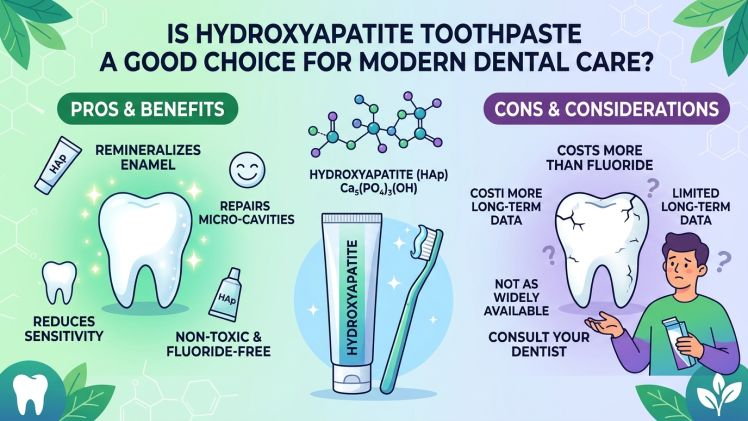
Hydroxyapatite is relevant to oral care because of its similarity to the mineral naturally found in teeth. Toothpaste formulations containing this ingredient are developed to interact with the tooth surface during regular brushing.
Nanohydroxyapatite refers to hydroxyapatite prepared in very small particles. Particle size and other formulation characteristics can influence how an ingredient behaves within a toothpaste.
Nevertheless, the ingredient’s presence should not be treated as a guarantee of a particular clinical outcome. Product performance depends on several factors, including composition, concentration, usage, and the individual’s oral health.
Why Is Enamel Maintenance Important?
Enamel helps protect the sensitive inner structures of teeth during eating, drinking, and other everyday activities. Maintaining its condition is therefore an important part of preventive dentistry.
Unlike many other tissues, enamel cannot regenerate itself in the same way that living tissue repairs minor damage. Minerals may be lost and replenished through processes occurring at the tooth surface, but significant structural loss cannot simply be reversed by brushing.
Good oral hygiene helps reduce plaque accumulation, while appropriate dietary habits can limit repeated acid exposure. Drinking water after meals, reducing frequent sugary snacks, and avoiding constant sipping of acidic beverages may also support a healthier oral environment.
Toothpaste is one part of this process. Regular dental examinations are equally valuable because a professional can identify early signs of decay, erosion, gum disease, or other concerns that may not be obvious at home.
Can Hydroxyapatite Toothpaste Support the Tooth Surface?
Hydroxyapatite-containing toothpaste is designed to provide mineral-based support during brushing. Depending on the formulation, its particles may deposit on or interact with the tooth surface, helping improve its smoothness and supporting enamel maintenance.
A smoother surface can contribute to a clean feeling after brushing, although the experience varies between individuals. Effective brushing also removes food debris and disrupts plaque, which remain essential benefits of daily toothpaste use.
The ingredient should not be viewed as a universal solution for dental damage. A toothpaste cannot replace missing enamel, repair a broken tooth, or reliably treat an established cavity without appropriate dental intervention.
Consumers should also recognize that the evidence supporting specific outcomes can differ across formulations. Marketing language does not necessarily establish the effectiveness of every product for every purpose.
For the best results, select a toothpaste that suits your dental needs and use it consistently alongside other recommended preventive practices.
Is Hydroxyapatite Toothpaste Useful for Tooth Sensitivity?
Sensitivity occurs when certain stimuli trigger discomfort in a tooth. Common triggers include cold beverages, hot foods, sweet treats, and contact with acidic substances.
One possible cause is exposed dentin, the layer beneath enamel. Dentin contains tiny channels that can transmit stimuli toward the tooth’s nerve. Gum recession, enamel wear, and other dental conditions may expose this area.
Some hydroxyapatite formulations are intended to help reduce sensitivity by supporting the tooth surface and helping block microscopic pathways in exposed dentin. However, effectiveness depends on the particular formulation and the cause of discomfort.
Sensitivity that persists should not be ignored. A cracked tooth, untreated decay, gum problems, or an issue with an existing restoration may require professional treatment.
If discomfort appears suddenly, becomes severe, or affects normal eating and drinking, arrange a dental examination. A dentist can recommend suitable toothpaste and determine whether additional treatment is necessary.
How Can You Brush Effectively With Hydroxyapatite Toothpaste?
Brushing correctly is just as important as choosing an appropriate formulation. Most adults should brush twice daily for around two minutes, following any individualized recommendations provided by their dentist.
Start with a soft-bristled toothbrush and apply the amount of toothpaste specified on the packaging. Position the brush so that its bristles reach the gumline, then clean the outer and inner tooth surfaces using gentle, controlled movements.
Give attention to the chewing surfaces and the back teeth, where plaque can be difficult to remove. Avoid forceful horizontal scrubbing because excessive pressure can irritate gums and contribute to tooth wear.
Cleaning between the teeth is another important step. Dental floss or an appropriate interdental brush can help remove plaque from areas that ordinary brushing may miss.
After brushing, follow the product’s instructions concerning rinsing and use. Consistent technique and regular practice provide a stronger foundation for oral health than occasional intensive cleaning.
Does Hydroxyapatite Toothpaste Replace Fluoride?
Hydroxyapatite and fluoride are different ingredients with different properties. Hydroxyapatite is a calcium phosphate mineral associated with the natural structure of teeth, while fluoride has an established role in helping prevent dental caries.
Fluoride supports the tooth’s resistance to acid and promotes remineralization under appropriate conditions. For this reason, fluoride toothpaste is widely recommended for cavity prevention.
Research into hydroxyapatite-containing products has explored their potential for enamel maintenance and other oral health applications. However, consumers should not assume that every hydroxyapatite formula offers the same level of protection as every fluoride formulation.
The most appropriate choice depends on age, cavity risk, medical and dental history, and the ingredients in the finished product. People who frequently develop cavities or have other risk factors should discuss toothpaste selection with their dentist.
When evaluating Supermouth Hydroxamin-W Fluoride Toothpaste, check the product label for its ingredients, fluoride information, and directions rather than making assumptions based solely on its name.
Can This Type of Toothpaste Help Maintain a Brighter Smile?
A brighter-looking smile often begins with good cleaning habits. Toothpaste helps remove plaque and some surface stains that develop through everyday exposure to food, beverages, and other substances.
Hydroxyapatite-containing formulations may support a smoother tooth surface, depending on their composition. However, the visible effect varies, and the ingredient should not automatically be considered a bleaching agent.
Surface stain removal is different from changing the natural shade of enamel. Whitening treatments designed to alter tooth color work differently from ordinary toothpaste.
People with noticeable discoloration should consider its cause before choosing a treatment. Stains may arise from dietary habits, tobacco exposure, aging, certain medications, or other factors.
A dentist can help distinguish surface staining from deeper discoloration and recommend appropriate options. This is particularly important for people with sensitivity, enamel erosion, crowns, fillings, or other restorations.
What Ingredients Should You Review Before Buying?
Checking the ingredient list can help consumers understand what a toothpaste is designed to do. In addition to the primary active ingredients, formulations may contain cleaning agents, flavoring ingredients, humectants, and other substances that contribute to texture, stability, and usability.
Look for clear information about intended use, recommended brushing frequency, age suitability, and precautions. If cavity prevention is a priority, review the fluoride content and seek advice when necessary.
Consumers with allergies or a history of oral irritation should pay particular attention to ingredient disclosures. If a product causes persistent discomfort, discontinue use and consult a suitable healthcare professional.
It is also sensible to compare product claims with realistic expectations. A toothpaste may support everyday cleaning and preventive care without being able to address every dental concern.
The best choice is one that meets your oral health needs, suits your preferences, and can be used consistently as directed.
How Should Supermouth Hydroxamin-W Be Included in Daily Care?
Supermouth Hydroxamin-W Fluoride Toothpaste can be assessed as part of a broader oral hygiene routine by reviewing its official product information and following the manufacturer’s instructions.
Use the product as directed and maintain regular brushing habits. Avoid swallowing toothpaste, and supervise children according to their age and the product’s recommendations.
For comprehensive care, combine brushing with daily interdental cleaning and routine dental visits. Limit frequent exposure to sugary and acidic foods and beverages, particularly between meals.
People with a history of frequent cavities, gum disease, dry mouth, or dental sensitivity may need additional preventive measures. A dentist can recommend an appropriate toothpaste and help establish a routine based on individual circumstances.
If pain, swelling, bleeding, or visible tooth damage develops, seek professional evaluation instead of expecting toothpaste to resolve the problem.
Are There Any Limitations to Understand?
No toothpaste provides complete protection against every dental condition. Even careful brushing cannot eliminate the need for professional examinations, and mineral-based ingredients cannot restore significant structural damage.
Individual results may vary according to diet, brushing technique, saliva production, existing dental conditions, and product formulation.
It is also important to use products for their intended purpose. A toothpaste designed for routine cleaning should not be relied upon as the sole treatment for persistent sensitivity, gum disease, or suspected decay.
Understanding these limitations helps consumers make practical decisions without expecting unrealistic results from a single oral care product.
How Can You Build a Sustainable Oral Hygiene Routine?
A sustainable routine is straightforward, consistent, and suited to your everyday needs. Brush twice daily, clean between the teeth, and replace your toothbrush when its bristles become worn.
Drink water regularly, limit frequent sugary snacks, and be mindful of acidic beverages. Avoid using excessive force while brushing, and seek professional advice if your teeth or gums become uncomfortable.
Choose toothpaste by considering its ingredients, intended benefits, and suitability for your dental health rather than relying exclusively on promotional descriptions.
Final Thoughts: Making an Informed Toothpaste Choice
Hydroxyapatite-based oral care products offer consumers another option to consider when building an effective dental hygiene routine. Their mineral-focused approach is relevant to enamel maintenance, while individual benefits depend on the complete formulation and the user’s needs.
Supermouth Hydroxamin-W Fluoride Toothpaste can be evaluated by examining its product information, ingredient list, and recommended use. Its fluoride content is particularly relevant for consumers prioritizing cavity prevention.
Ultimately, healthy teeth depend on consistent brushing, interdental cleaning, balanced dietary habits, and professional preventive care. By combining suitable products with these established practices, individuals can make informed choices that support a cleaner mouth and a confident smile over time.