


Poll or Pole: What’s the Difference?

A single letter can completely change the meaning of a sentence. That is exactly what happens with poll or pole. The two words sound alike in many varieties of English, but they refer to completely different things. Poll usually relates to asking people…

Historical vs Historic: What’s the Difference?
Some English words are so similar that even confident writers pause before using them. Historical vs historic is one of those pairs. Both words relate to history, but they don’t always carry the same meaning or emphasis. The easiest way to remember…

Weight vs Mass: What’s the Difference?
If you’ve ever stepped on a scale, checked a vehicle’s specifications, or studied physics, you’ve probably encountered the terms weight vs mass. They are often used interchangeably in everyday conversation, but scientifically, they…

Employee vs Employer: What’s the Difference?
At first glance, employee vs employer seems like an easy distinction. One person works for a company, while the other runs or hires people. But the relationship involves much more than simply knowing who gets paid and who writes the paycheck.…

Inpatient vs Impatient: What’s the Difference?
A single letter can completely change the meaning of a word. That’s exactly what happens with inpatient vs impatient. Although these words look and sound similar, they describe two very different things. Inpatient is mainly a healthcare term for…

Bright or Brite: Which Spelling Is Correct?
Sometimes two words sound exactly alike but look completely different on the page. Bright or brite is a good example. If you’ve ever wondered whether the correct spelling is bright or brite, you’re dealing with a distinction between a…
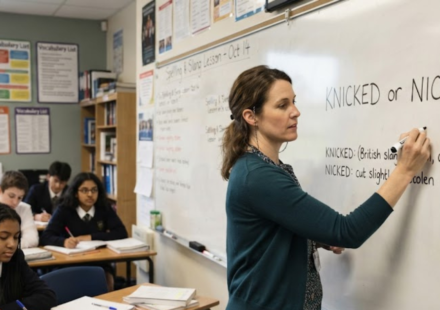
Knicked or Nicked: Which Spelling Is Correct?
Have you ever typed knicked and then stopped to wonder whether it should actually be nicked? You’re not alone. The spelling can be confusing because the word nick already has several meanings, and adding -ed can make the correct form feel less…

Lended vs Lent: Which Word Is Correct?
Have you ever written a sentence like “I lended him some money” and wondered if it sounded right? You’re not alone. The confusion around lended vs lent is common because many English verbs form their past tense by adding -ed. But lend doesn’t…

Gauging Interest vs Gaging Interest: Which Is Correct?
When you want to know whether someone is interested in an idea, product, event, or opportunity, you might say you’re gauging interest. But because gauge has an unusual spelling, many people wonder whether gaging interest is also correct. So, in the…

In Progress or In Process: Which Is Correct?
A tiny change in wording can make a sentence sound completely natural—or slightly off. One common example is in progress or in process, two phrases that look similar but aren’t always interchangeable. If you’re wondering in process or in…